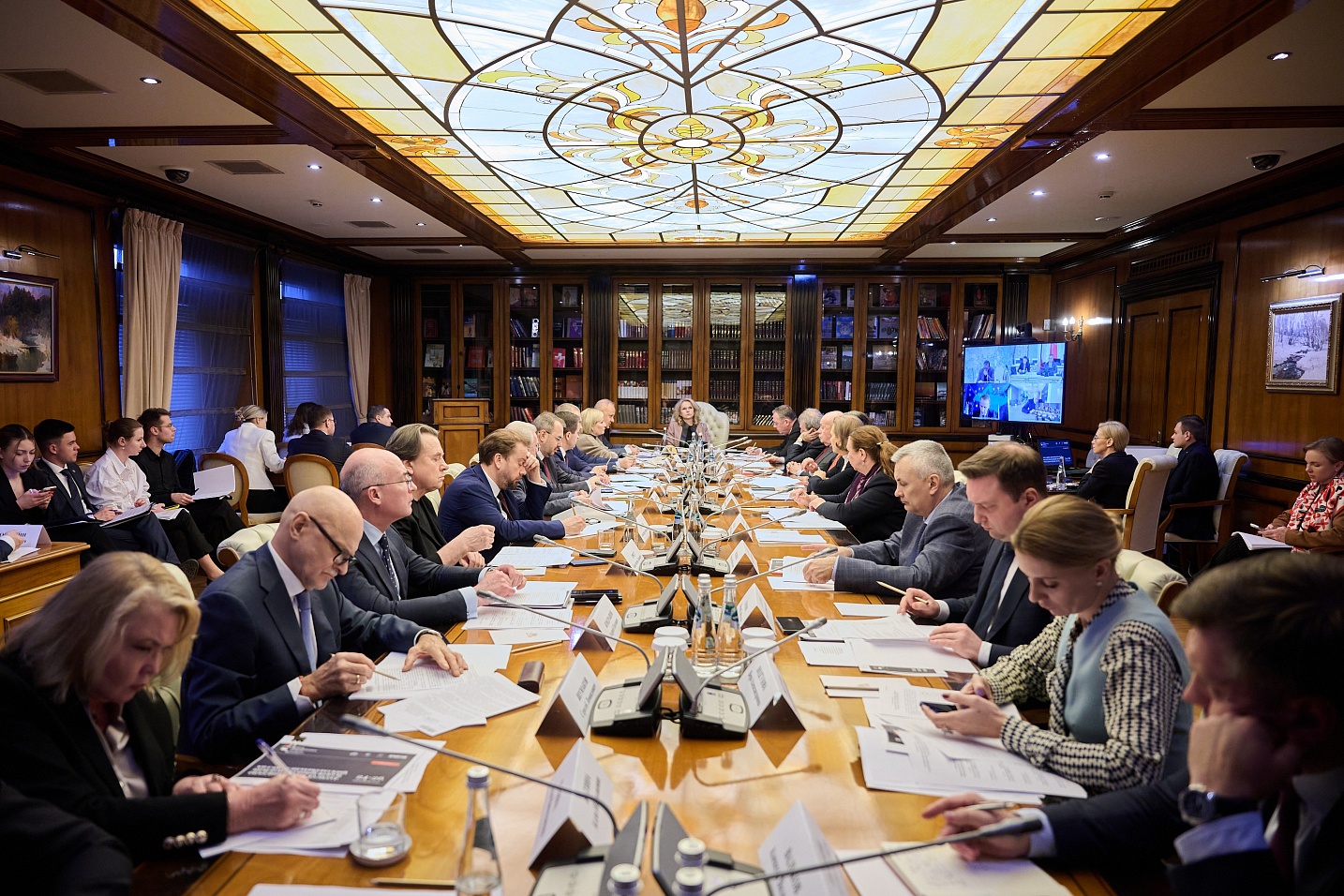


Plenary session of the United Cultures Forum
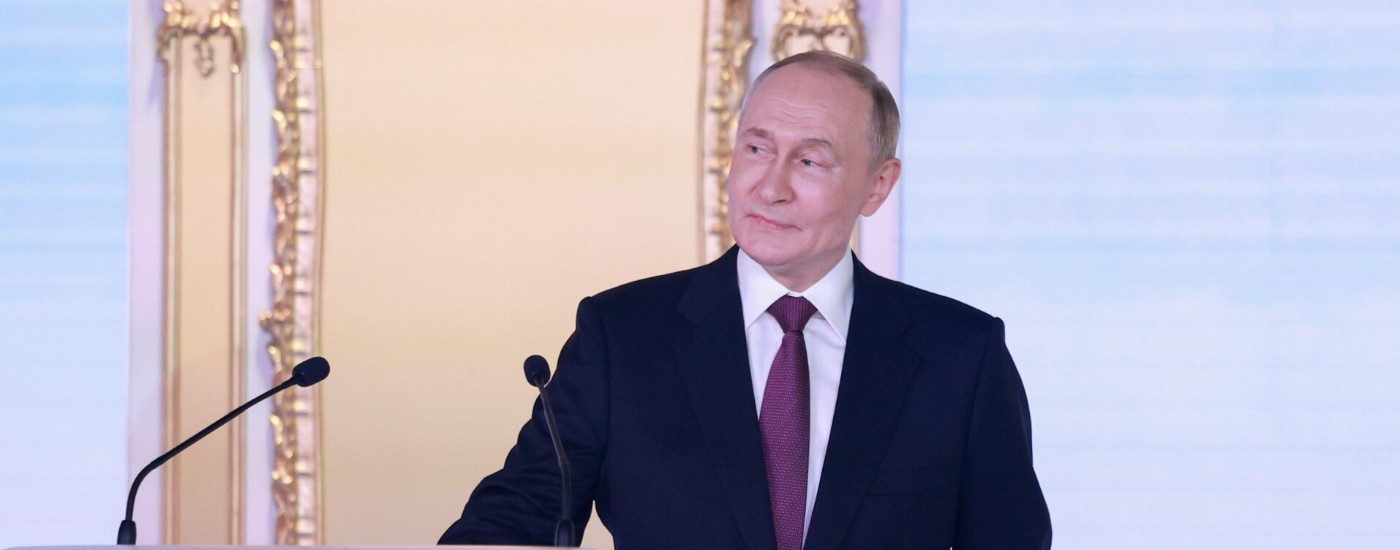
President Vladimir Putin addressed the 11th St. Petersburg International United Cultures Forum at the Grand Catherine Palace in Tsarskoye Selo, emphasising how cultural diversity strengthens nations and calling for dialogue that transcends stereotypes and promotes global harmony.
The forum convened under the theme “Return to Culture — New Opportunities,” hosted at a historically significant venue that itself symbolises multicultural achievement. The President welcomed international participants from the arts and education sectors, stressing that professional exchange between cultures advances cooperation among states and peoples.
Putin highlighted how Russia’s development as a multiethnic nation created a distinctive cultural richness. He observed that the brightest pages in the history of culture occur in times when cultures actively interact with the outside world, contrasting this with periods when societies isolate themselves and experience cultural stagnation.
Addressing technological change, the President acknowledged that artificial intelligence and digital connectivity create unprecedented opportunities for creative expression. At the same time, he cautioned that preserving human inspiration, ethical standards, national distinctiveness and cultural diversity remains essential for global equilibrium.
“National culture can develop and enrich itself only in interaction with other cultures. True art knows no borders.”
Vladimir Putin, President of the Russian Federation
The President emphasised the family as culture’s primary transmitter across generations, noting that numerous cultural-development initiatives are integrated into Russia’s Family national project. He celebrated emerging talent in Russia’s cultural sectors, referencing festivals, competitions, grants and educational institutions, and the development of regional cultural centres that bring opportunities to smaller communities.
Marking the 80th anniversary of the end of the Second World War, Putin connected the preservation of historical memory to contemporary cultural responsibilities, calling for a stronger role for culture in countering intolerance, racism and neo-Nazism worldwide. He concluded by urging participants to balance the preservation of cultural identity with innovation and openness, fostering mutual respect and contributing to a broader global cultural space.